Term 4: When Big Feelings Get Even Bigger
The wrong socks.
The drink bottle isn't where it normally is.
Someone looked at them the wrong way.
You asked them to turn off the iPad.
And suddenly…
Everything. Falls. Apart.
If you're heading into the final term wondering why your child's emotions seem bigger than usual, there's something important to remember:
The reaction might be happening right now — but the load has been building all day.
And sometimes, all year.
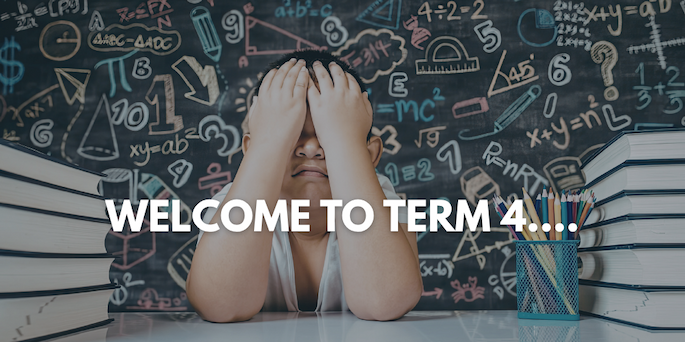
By the final term of the school year, many children are tired.
For a child with ADHD, the school day can require an enormous amount of mental effort.
They're navigating:
Instructions and expectations
Classroom noise and distractions
Working memory demands
Transitions between activities
Friendships and social situations
Sitting and listening
Managing impulses
Keeping track of belongings
Emotional regulation
Trying to keep up
They've been doing this for months.
So by Term 4, you may start seeing a child who has less capacity left in the tank.
What Might That Look Like at Home?
You might notice:
More emotional reactions.
More arguing over seemingly tiny things.
More forgetfulness.
Less tolerance for frustration.
More resistance around school or homework.
Greater sensitivity to noise, siblings or demands.
More exhaustion after school.
Sometimes parents understandably think:
"Why is everything suddenly becoming so difficult?"
But your child hasn't necessarily forgotten everything they've learned about regulation.
They may simply have less capacity available to use those skills.
The Last Straw Isn't Always the Problem
Imagine carrying a backpack around all day.
Every instruction adds something.
Every distraction adds something.
Every social interaction adds something.
Every moment of holding it together adds something.
Then your child walks through the front door and you say:
“Can you please put your shoes away?”
And they explode.
The shoes probably aren't the real problem.
They might simply be the last thing added to an already overflowing backpack.
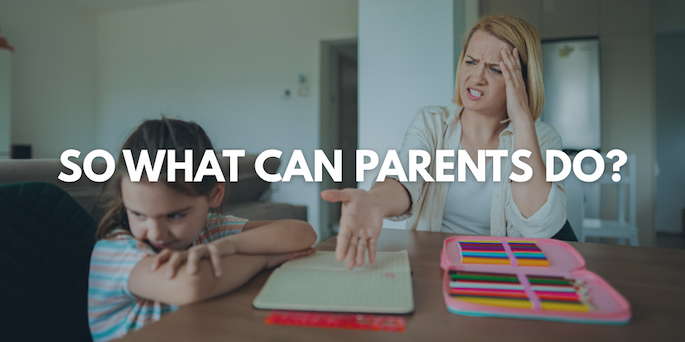
Term 4 doesn't necessarily need more discipline, more reminders or more pressure.
Sometimes it needs a little more support.
Create a Soft Landing After School
Try not to make the first ten minutes after school another list of demands.
Where possible, allow some time for:
A snack.
Movement.
Quiet.
Outside time.
Music.
Connection.
Whatever helps your child decompress.
Give their brain a chance to transition from school mode to home mode.
Reduce Unnecessary Decisions
When capacity is low, even small choices can feel difficult.
Instead of:
“What do you want for afternoon tea?”
Try:
“Apple or crackers?”
Instead of:
“What do you want to do this afternoon?”
Try offering two simple options.
Less decision-making can mean less overwhelm.
Make Routines More Visible Again
Maybe they didn't need the morning checklist in Term 2.
They might need it again now.
That's okay.
Bring back the visual schedule.
Put the school bag near the door.
Lay clothes out the night before.
Use the reminders again.
Needing more support doesn't mean they're going backwards.
Protect the Basics
When everything feels harder, go back to basics.
Sleep.
Food.
Water.
Movement.
Downtime.
Predictability.
We can spend so much time looking for another ADHD strategy that we forget how much these foundations can influence a child's ability to regulate.
Choose Your Battles
Before correcting something, ask:
“Does this need to be dealt with right now?”
Some boundaries absolutely matter.
Others can wait.
Term 4 might not be the time to turn every forgotten jumper, messy bedroom or grumpy response into a major discussion.
Sometimes protecting everyone's capacity is more important.
Support Before the Explosion
We often introduce regulation strategies once a child is already overwhelmed.
But the best time to support regulation can be before they reach that point.
If you know afternoons are becoming difficult, don't wait for the meltdown.
Build in the snack.
Offer movement.
Reduce demands.
Create quiet.
Make the afternoon predictable.
Think of regulation as something we prepare for, not just something we respond to.

When your child's reaction seems much bigger than the situation in front of them, pause before assuming:
“They're overreacting.”
Instead, consider:
“How full is their backpack today?”
Because sometimes the reaction isn't really about the shoes.
Or the homework.
Or the iPad.
It's about everything their brain has been carrying before that moment.
As we head towards the end of another school year, our children may not need us to push them harder across the finish line.
They may simply need us to recognise when their tank is running low — and help make the load a little lighter.
Warmly,