The Hobbies You Loved…Until You Didn’t
There’s probably a shelf, cupboard or corner of your home filled with evidence of former enthusiasm.
The paints you were certain you would use every weekend. The half-finished crochet project. The camera equipment, gardening tools, language app, roller skates or supplies for the business idea that felt absolutely brilliant at the time.
You did not pretend to be interested. The excitement was real.
So why did it disappear—and why can looking at those unfinished projects bring up so much guilt?
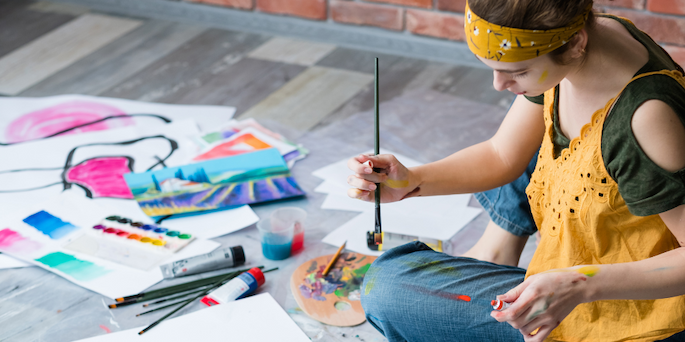
Many adults with ADHD can focus deeply when something feels new, interesting, challenging or personally meaningful. A new hobby can provide possibility, stimulation and an immediate sense of momentum.
During that early stage, researching equipment, imagining the outcome and buying supplies can be just as rewarding as doing the activity itself. It can feel as though you have finally found the thing that will hold your attention forever.
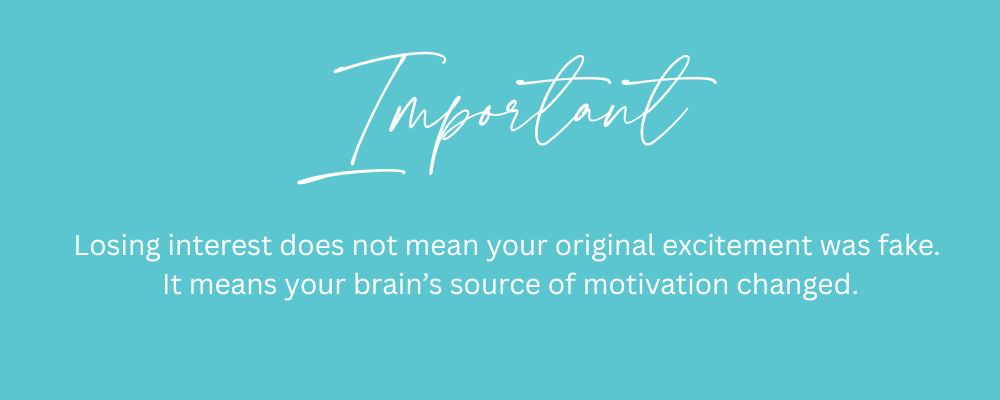
Then the novelty fades. Progress becomes slower. The activity requires repetition, organisation or delayed reward. The motivation that once appeared effortlessly may suddenly be difficult to access.
You do not need to turn every interest into an identity
Adults with ADHD are often hard on themselves for not being consistent. An unfinished hobby can start to feel like evidence that they are wasteful, unreliable or incapable of following through.
But an interest does not have to become a lifelong pursuit to have been worthwhile. Perhaps it gave you joy for a month, helped you through a difficult season, taught you something or introduced you to new people. That still counts.
Ways to enjoy new interests with less pressure
Borrow before buying. Use the library, borrow from a friend or hire equipment before investing in a complete setup.
Try the smallest version first. Choose one class, one kit or one month—not the premium package and every available accessory.
Create a waiting period. Save the item and revisit it after a few days. If the interest remains, decide what you genuinely need to begin.
Buy for the beginner you are now. You do not need professional equipment for the future version of you who may or may not continue.
Make returning easy. Store supplies together and keep a note describing the next small step. This reduces the effort required to restart.
Create an interest rotation—not an interest graveyard
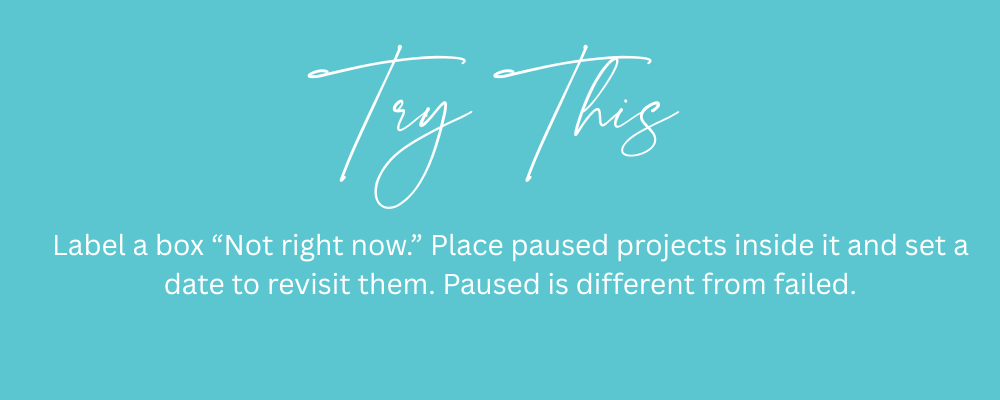
Instead of declaring a hobby abandoned, think of it as being out of rotation. Choose one or two interests to keep accessible and place the others away neatly, without judgement.
Every few months, review what you have. You might feel drawn back to an old interest once it feels fresh again. If not, you can sell, donate or pass on the supplies with appreciation for the season they belonged to.
A gentle interest-shelf reset...
Keep: Which interest still feels inviting when you remove the pressure to be good at it?
Rotate: Which project might feel fresh again after a genuine break?
Release: What could be sold or donated so someone else can enjoy it?
Remember: What did each interest give you—even if you did not finish?

You are allowed to be curious. You are allowed to explore, change direction and enjoy something without turning it into a permanent commitment or a profitable side project.
Your interest shelf does not have to be a monument to unfinished things. It can be a record of curiosity, creativity and all the different ways your brain has searched for joy.