The ADHD Iceberg: What We See vs What’s Underneath
When we think about ADHD, we often think about the things we can see.
The forgotten school jumper.
The messy bedroom.
The unfinished homework.
The emotional outburst.
These are the behaviours that sit above the surface.
But ADHD is a lot like an iceberg.
What we see is only a small part of the story.
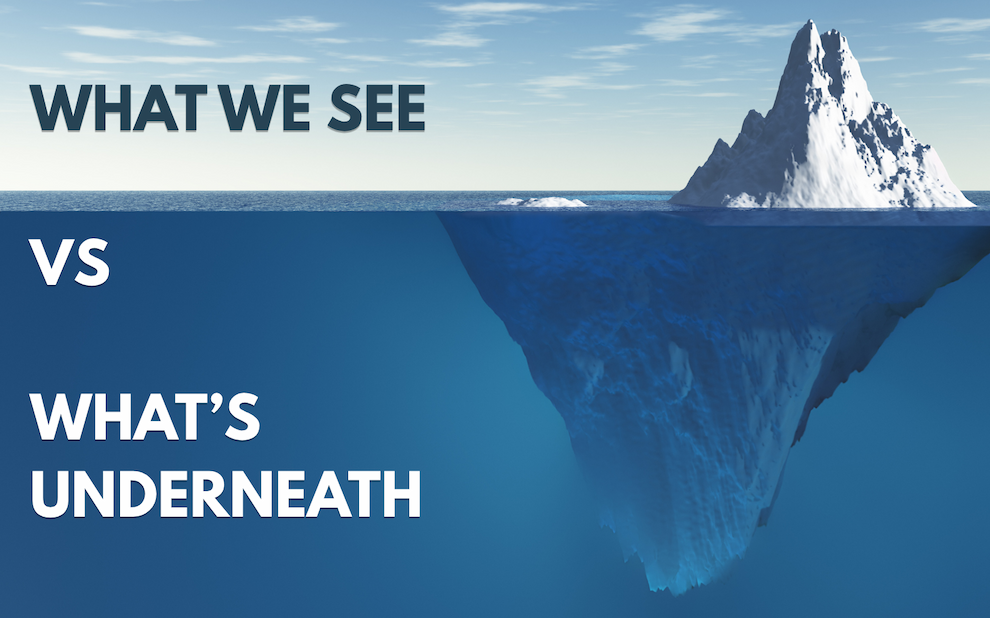
Above the Surface
These are the things that tend to get noticed:
• Forgetfulness
• Disorganisation
• Distractibility
• Messiness
• Impulsivity
• Big emotions
They're often the things that lead to frustration, concern, or questions from others.
But they're only the visible part.
Beneath the Surface
Underneath those behaviours is often a child working incredibly hard.
You might not see:
• Anxiety about getting things wrong
• Constant self-correction
• Mental exhaustion from trying to focus
• Fear of disappointing others
• Rejection sensitivity
• Difficulty managing emotions
• Overthinking social interactions
• Low confidence from repeated struggles
These challenges are often invisible to everyone else.
Including us sometimes.
The Hidden Effort
Many ADHD children spend their day trying to:
• Remember what they've forgotten
• Stay focused when their brain wants to move elsewhere
• Control impulses
• Keep up with expectations
• Manage emotions that feel bigger than they appear
That takes energy.
A lot of energy.
Sometimes the child who appears "lazy" is actually exhausted.
Sometimes the child who seems "unmotivated" is overwhelmed.
Sometimes the child who looks like they don't care... cares deeply.
Looking Beyond the Behaviour
When we only respond to what we can see, we risk missing what our child is experiencing underneath.
A different question to ask is:
"What might be happening beneath the surface right now?"
That simple shift can change how we respond.
From frustration to understanding.
From correction to support.
From judgement to curiosity.

Your child's behaviour is only one piece of the puzzle.
Beneath every forgotten item, emotional reaction, unfinished task, or difficult moment is a child doing the best they can with the skills, capacity, and support they have available.
The more we understand what's below the surface, the more compassion we can bring to what's happening above it.
And sometimes, that's where the biggest changes begin.