When something your child is looking forward to becomes too much.
The school Christmas concert is coming up.
There's an end-of-year excursion, a birthday party on the weekend, Christmas activities at school and perhaps a family gathering or two.
Your child is SO excited.
They've been talking about it for weeks, counting down the days and asking a hundred questions.
But then the big day arrives.
Suddenly, they're upset about what they're wearing. They're refusing to get in the car. They're arguing over something small.
Or perhaps everything goes beautifully at the event… until you get home.
And then comes the meltdown.
You find yourself wondering:
“But they were so excited about this. Why are they so upset?”
Here's something important to understand.
Excitement and overwhelm can exist together.
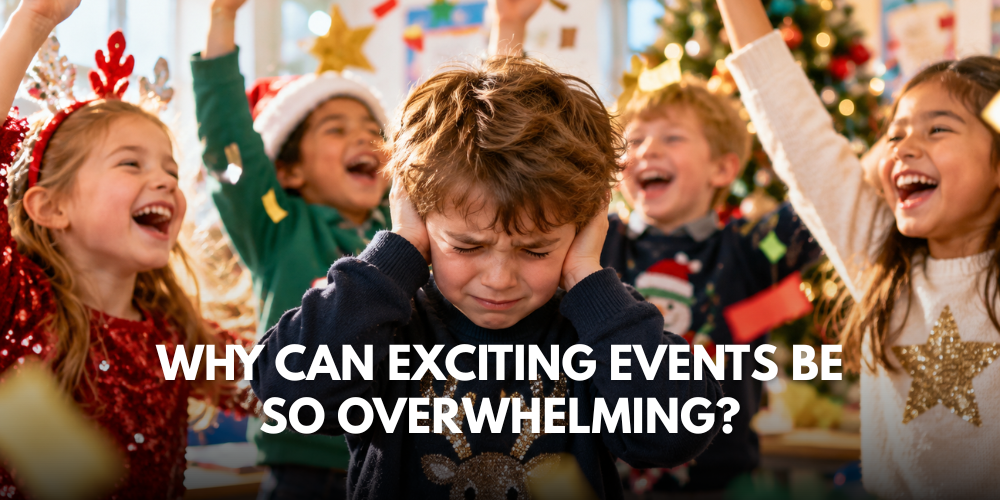
For children with ADHD, special occasions can bring a whole lot more than just excitement.
They can also involve extra demands on attention, emotional regulation, sensory processing and executive functioning.
Think about what comes with an exciting event:
Anticipation: Waiting, wondering and thinking about what's going to happen.
Changes in routine: Different schedules, unfamiliar environments and unexpected transitions.
Sensory stimulation: Loud music, bright lights, crowds, decorations and lots of conversations.
Social expectations: Remembering rules, waiting for turns, interacting with others and managing behaviour.
Big emotions: Excitement, nervousness, disappointment and frustration — sometimes all at once!
Even positive experiences can place extra demands on a child's ability to regulate.
And when all those demands build up, their capacity to cope can become stretched.
The Build-Up Can Be Just as Hard as the Event
Have you noticed that sometimes the excitement starts days before the actual occasion?
Your child might ask:
“How many sleeps until the concert?”
“What time are we going?”
“Who will be there?”
“What if I don't know anyone?”
For some children with ADHD, anticipation can make it difficult to focus on anything else.
They might struggle to settle at bedtime, become more restless or have a harder time managing everyday frustrations.
And while they're looking forward to the event, they may also be worrying about all the unknowns.
Being excited doesn't mean they aren't also feeling anxious or overwhelmed.
Why Do Meltdowns Sometimes Happen Afterwards?
Sometimes children manage beautifully throughout the entire event.
They participate, smile, laugh and have a wonderful time.
But the moment they get home?
Everything falls apart.
This can happen because they've spent hours managing noise, excitement, social interactions, transitions and expectations.
Once they're back in a familiar, safe environment, they may have less capacity left to regulate their emotions.
A small disappointment — like being told it's time for a shower — can suddenly feel enormous.
The shower might be the trigger, but it isn't necessarily the whole reason for the reaction.
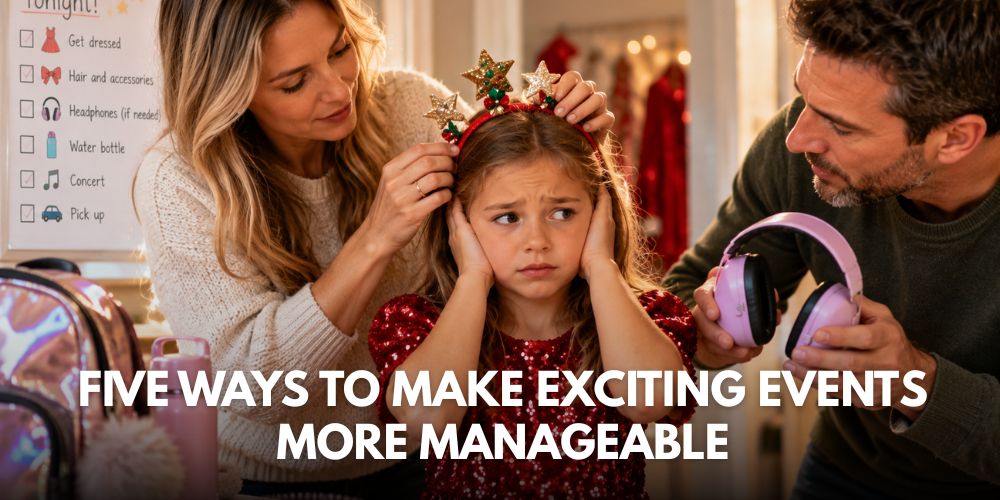
1. Prepare Them for What to Expect
Talk through the event beforehand.
Explain where you're going, who might be there, what will happen and approximately how long it will last.
For some children, a simple visual plan can be helpful:
Get dressed → Drive to concert → Watch performance → Go home → Quiet time
Knowing what comes next can reduce uncertainty.
2. Build in Some Downtime
Try not to fill every available moment with activities.
If your child has a school concert in the evening, consider keeping the afternoon relatively quiet.
If you've had a big family gathering, perhaps the following morning doesn't need another outing.
Recovery time isn't wasted time. It's an opportunity to recharge.
3. Have a Plan for Sensory Overload
Consider what might help your child if the environment becomes too much.
This could include:
Noise-reducing headphones.
A quiet space away from the crowd.
A familiar comfort item.
A short walk or movement break.
Permission to step outside for a few minutes.
You can even agree on a simple signal your child can use when they need a break.
4. Keep Expectations Realistic
It's tempting to want every special occasion to be magical.
But your child doesn't need to participate in every activity, stay until the very end or enjoy every single moment.
Sometimes leaving a little earlier, skipping one activity or adjusting your plans can make the experience much more enjoyable for everyone.
A successful outing doesn't have to mean doing everything.
5. Plan for the After-Event Crash
When you get home, try reducing demands.
Instead of immediately asking lots of questions or moving into the next task, offer some time to decompress.
This might look like:
A snack and some water.
Comfortable clothes.
Quiet play or a familiar activity.
Time alone or a cuddle.
A little flexibility with the usual routine.
Sometimes the best thing we can do after a big day is simply give our children space to settle.
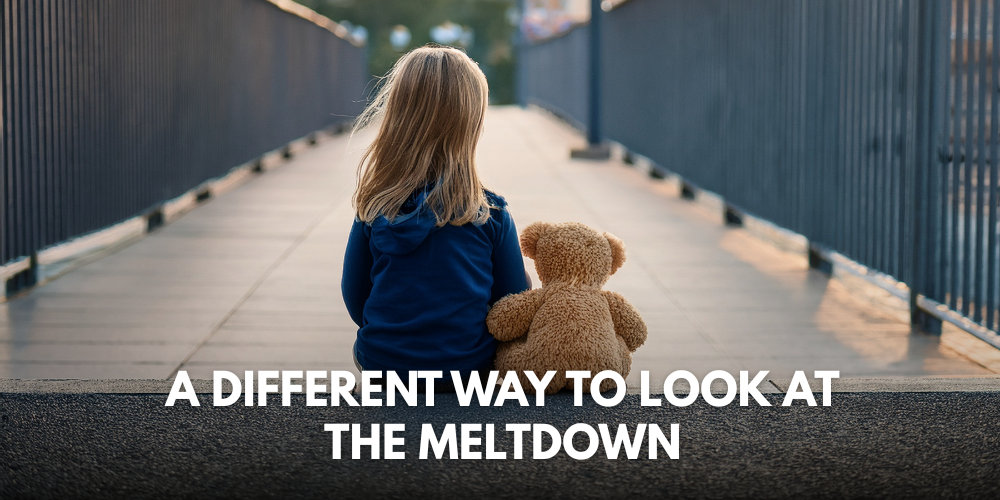
Instead of thinking:
“They've been looking forward to this all week. Why can't they just enjoy it?”
Try:
“They've had a really big day. I wonder how much energy they've used managing everything?”
Instead of:
“We did something special for them, and now they're behaving like this!”
Try:
“They can be grateful, happy and overwhelmed at the same time.”
This doesn't mean we ignore challenging behaviour or remove all expectations.
It means we recognise when our children may need support with regulation before they're ready to problem-solve.

With the end-of-year celebrations approaching, choose one upcoming event and create a simple before, during and after plan.
Before: Explain what to expect and allow some quiet time.
During: Watch for signs of overwhelm and offer breaks.
After: Reduce demands and give your child time to recharge.
It doesn't need to be complicated.
Sometimes a little preparation and a quieter afternoon can make a big difference.
Remember This
Just because your child is excited about something doesn't mean it won't overwhelm them.
They can love the party and struggle with the noise.
They can look forward to the concert and feel anxious about performing.
They can have the best day ever and still fall apart when they get home.
As we head towards the busy end-of-year season, remember that supporting your child's needs might mean doing a little less, allowing a little more flexibility and making room for recovery.
Because excitement and overwhelm can exist together.
And understanding that can make this time of year a little easier for everyone.
Warmly,